Description
Overview
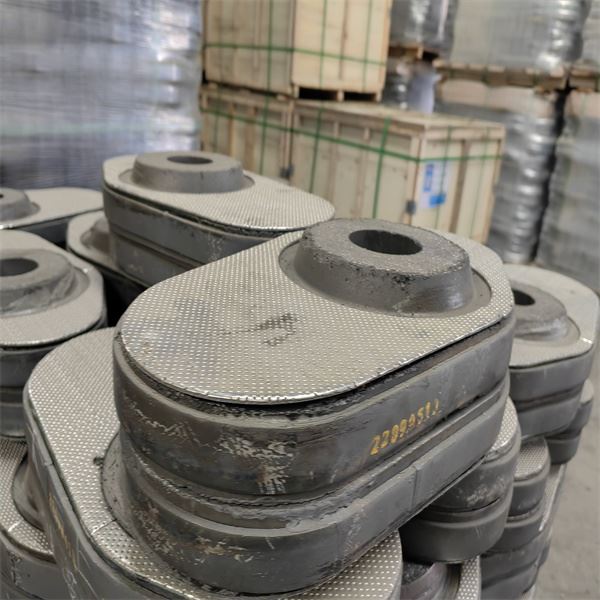
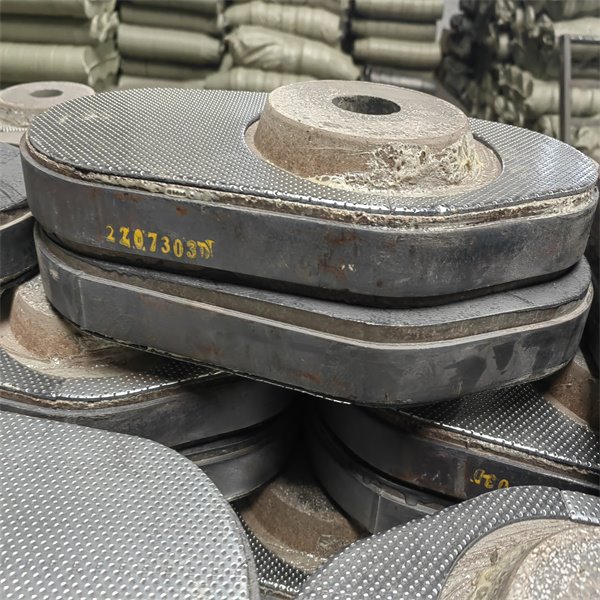
The slide gate plate is the moving element of the ladle slide gate system. Two plates sit face to face at the bottom of the ladle, each with a bore through it. When the bores line up, steel flows from the ladle to the tundish; when the lower plate slides across, the bores misalign and the flow stops. By sliding the plate a fraction of a millimetre the operator trims the flow to hold the tundish level steady — the plate is the ladle’s precision valve, and it must seal, slide and survive heat after heat without sticking or leaking.
We distribute slide gate plates in alumina-carbon (Al2O3-C), alumina-zirconia-carbon (Al2O3-ZrO2-C), magnesia-carbon (MgO-C) and spinel-carbon (Spinel-C) materials. The upper and lower plates are machined as a matched pair with a gap under 0.1 mm so the sliding faces seal under hydraulic or spring pressure. Plates are made to drawing to match the slide gate mechanism, the ladle size and the steel grade.
Applications
- Ladle slide gate systems, ladle to tundish flow control
- Tundish slide gate systems and converter slide gate systems
- Clean steel and special steel grades (zirconia grades for severe service)
- Flow shut-off, flow regulation and slag retention at ladle change
Specifications
- Materials: alumina-carbon (Al2O3-C); alumina-zirconia-carbon (Al2O3-ZrO2-C); magnesia-carbon (MgO-C); spinel-carbon (Spinel-C); corundum-mullite
- Al2O3: ≥70–80% (grades HBLT70 / HBLT75 / HBLT80); ZrO2 ≥4% (Al-Zr-C grades)
- Carbon: ≥1–6% by grade
- Max service temperature: 1,650 °C (Al2O3-ZrO2-C)
- Bulk density: ≥2.75–3.10 g/cm³
- Apparent porosity: ≤10–13%
- Cold crushing strength: ≥60–120 MPa (impregnated up to 100–120 MPa)
- Plate pair gap (upper / lower): <0.1 mm
- Dimensions: made to drawing — outline, thickness, bore diameter and bore position to match the slide gate mechanism and ladle size